
A Complete Guide to Commercial HVAC Systems
Heating, Ventilation, and Air Conditioning (HVAC) systems are among the most important components of any commercial building. From office complexes and healthcare facilities to educational institutions and retail spaces, commercial HVAC systems create comfortable indoor environments, maintain healthy air quality, and support the daily operations of a building. A well-designed HVAC system not only improves occupant comfort but also contributes to energy efficiency, operational reliability, and long-term cost savings.
Understanding how commercial HVAC systems work and why they are important can help building owners, facility managers, and project planners make informed decisions when designing, upgrading, or maintaining their facilities.
What Is a Commercial HVAC System?
A commercial HVAC system is designed to regulate indoor temperature, humidity, ventilation, and air quality for larger buildings. Unlike residential systems, commercial HVAC equipment is built to handle greater heating and cooling demands while serving multiple rooms, floors, or building zones.
These systems are commonly installed in office buildings, hospitals, schools, hotels, manufacturing facilities, shopping centers, and other commercial properties where maintaining a consistent indoor environment is essential.
Main Components of a Commercial HVAC System
Commercial HVAC systems consist of several interconnected components that work together to provide efficient heating and cooling.
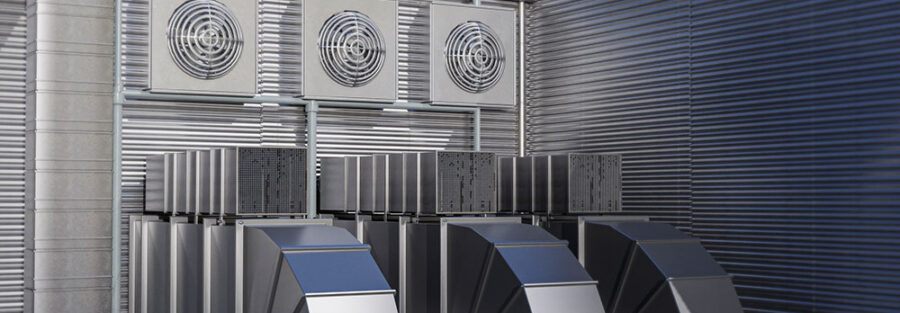
The heating equipment maintains comfortable indoor temperatures during colder months, while cooling equipment removes excess heat during warmer seasons. Air handling units distribute conditioned air throughout the building, and ductwork delivers air to different spaces. Ventilation systems continuously circulate fresh outdoor air while removing stale indoor air, helping maintain healthy indoor air quality. Modern systems may also include building automation controls that monitor and optimize HVAC performance in real time.
Why Commercial HVAC Systems Matter
A properly designed HVAC system affects much more than temperature control. It directly influences employee productivity, customer comfort, indoor air quality, and energy consumption.
Commercial buildings often operate for extended hours, making HVAC one of the largest contributors to overall energy use. Efficient system design helps reduce operating costs while maintaining consistent comfort throughout the facility. Reliable HVAC performance also minimizes equipment downtime and helps businesses avoid unexpected disruptions.
Types of Commercial HVAC Systems
Commercial facilities use different HVAC systems depending on building size, occupancy, and operational requirements.
- Packaged rooftop units (RTUs) are widely used in office buildings, retail centers, and warehouses because they combine heating and cooling equipment into a single rooftop-mounted unit.
- Variable Refrigerant Flow (VRF) systems provide flexible temperature control for multiple zones, making them ideal for buildings with varying occupancy and comfort requirements.
- Chilled water systems are commonly installed in large hospitals, universities, and commercial campuses where centralized cooling is required.
- Split systems are often used in smaller commercial buildings or individual office spaces where separate indoor and outdoor units provide efficient climate control.
Selecting the right HVAC system depends on the building’s layout, energy goals, and operational needs.
The Importance of Indoor Air Quality
Indoor air quality has become an increasingly important consideration for commercial buildings. Proper ventilation and air filtration help reduce airborne contaminants while improving occupant comfort and well-being.
In healthcare facilities, schools, and office buildings, maintaining clean indoor air supports healthier environments and enhances overall building performance. Modern HVAC systems often include advanced filtration, humidity control, and ventilation strategies to improve air quality while maintaining energy efficiency.
Energy Efficiency in Commercial HVAC Systems
Energy efficiency is one of the primary goals of modern HVAC design. High-efficiency equipment and smart controls help commercial buildings reduce energy consumption without sacrificing occupant comfort.
Building automation systems allow facility managers to monitor HVAC performance, adjust temperatures based on occupancy, and identify maintenance needs before they become serious problems. Features such as programmable controls, energy recovery ventilation, and variable-speed equipment contribute to lower utility costs and improved system performance.
Investing in energy-efficient HVAC technology also supports sustainability initiatives and can extend the lifespan of building equipment.
Preventive Maintenance Is Essential
Routine maintenance is one of the most effective ways to maximize HVAC system performance and longevity. Preventive maintenance helps identify potential issues before they lead to costly repairs or unexpected equipment failures.
Regular inspections typically include checking electrical connections, cleaning coils, replacing air filters, inspecting ductwork, testing controls, and verifying refrigerant levels. Keeping equipment properly maintained improves efficiency, reduces wear on system components, and helps ensure reliable year-round operation.
For facilities that depend on uninterrupted climate control, preventive maintenance is an essential part of protecting long-term investments.
Common Challenges in Commercial HVAC Systems
As HVAC systems age, they may experience reduced efficiency or operational issues. Common challenges include uneven temperatures, restricted airflow, increased energy consumption, worn mechanical components, and outdated control systems.
Ignoring these warning signs can lead to more significant repairs and higher operating costs. Early diagnosis and timely maintenance help keep systems operating efficiently while reducing downtime.
Commercial HVAC Systems in Healthcare Facilities
Healthcare environments have unique HVAC requirements because patient safety depends on maintaining controlled indoor conditions. Hospitals, surgical centers, and medical facilities require specialized ventilation, humidity control, filtration, and pressure relationships to support infection prevention and sensitive medical equipment.
Reliable HVAC systems help maintain sterile environments, improve indoor air quality, and ensure consistent environmental conditions throughout patient care areas.
Planning for Future Growth
Commercial buildings continue to evolve as technology and operational requirements change. Designing HVAC systems with future expansion in mind allows facilities to adapt without requiring extensive infrastructure modifications.
Scalable HVAC systems, smart building integration, and energy-efficient technologies provide flexibility for future upgrades while supporting long-term operational goals.
Conclusion
Commercial HVAC systems are essential for creating comfortable, efficient, and productive indoor environments. From maintaining indoor air quality and controlling temperatures to improving energy efficiency and supporting business continuity, these systems play a critical role in modern commercial and healthcare facilities.
Whether planning a new construction project, upgrading an existing system, or implementing a preventive maintenance program, investing in a properly designed commercial HVAC system contributes to long-term building performance and operational success.
For commercial and healthcare facilities seeking dependable HVAC solutions, OSS Contracting provides professional HVAC installation, mechanical piping, and integrated MEP services designed to support reliable, energy-efficient, and high-performing buildings. Learn more about our commercial construction and MEP services on our homepage.